
gaming-friends · community
How to Make Gaming Friends as an Adult (Without It Being Weird)
Work, time zones, and dead friend lists make finding people to game with harder at 25+ than it ever was at 15. A practical playbook: where to look, how to break the ice, and how to keep a squad together.
By Ahnaf An Nafee · Published 2026-07-11 · Updated 2026-09-23
TLDR
The school-and-dorm pipeline that made gaming friends automatic in your teens is gone, and nothing replaced it. What works as an adult: pick tools that match on schedule and vibe as well as game and rank, and treat the first session like a low-stakes trial. Then lower the maintenance cost of staying in touch so the squad survives adult life. None of it requires being outgoing.
Why this is genuinely harder now
Three things changed since it was easy:
- Your schedule fragmented. You play 9–11pm on weekdays if nothing comes up. Your old friends play Saturday afternoons, or moved time zones, or had kids.
- Your friend list decayed. Most adult friend lists are museums: forty names, three green dots, none playing your game.
- Random lobbies stopped being social. Modern matchmaking fills teams instantly and nobody talks. The organic "we played three matches together, want to party up?" moment mostly doesn't happen anymore.
None of this is a personal failing. The infrastructure that made it automatic disappeared, so now it takes deliberate (small) effort.
Where adults actually find gaming friends in 2026
Ranked by effort-to-result:
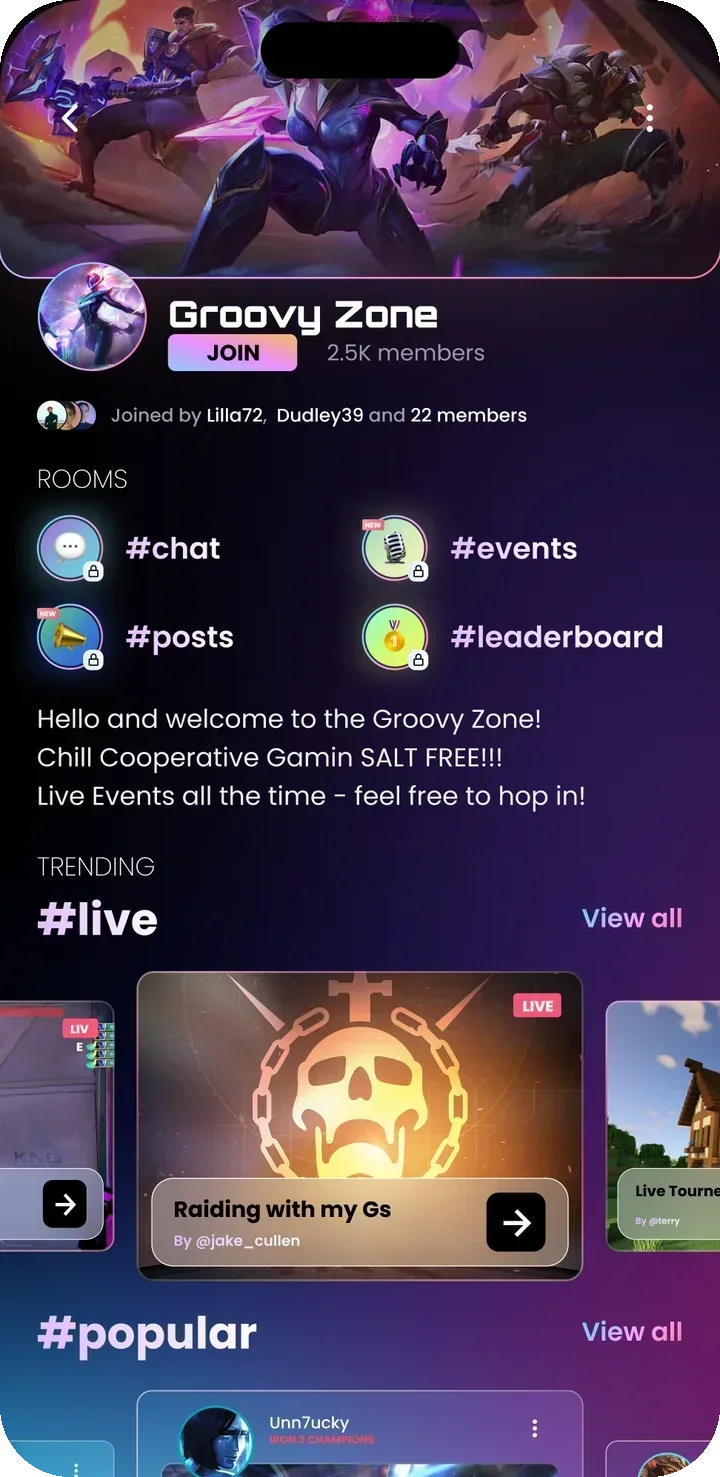
- Matchmaking apps built for it. Player 2 matches by the games you own, your rank, your playstyle, and when you're actually online. That last one is critical for adults. The point is filtering for compatibility before the first game, so you skip the twenty bad randoms. The duo finder guide covers the per-game entry points.
- Game-specific communities. Playgrounds (Player 2's per-game communities), subreddit LFG threads, and title Discords. Higher volume, lower filtering: you do the vetting yourself. The Discord comparison covers the tradeoff honestly.
- The people you already almost know. Coworkers who mention a game, a cousin on your platform, someone from an old group chat. One "you still play?" message costs nothing and has a surprising hit rate.
Breaking the ice without it being weird
Games remove the hard part for you. You don't need small talk; you need a session.
- Lead with logistics, not friendship. "Duo for ranked tonight?" is a complete opener. Adults respect a concrete, time-boxed ask.
- Voice is optional on session one. Plenty of good squads started with ping-and-chat games. Suggest voice when a second session happens; that's the natural checkpoint.
- Judge on vibe, not skill. A slightly worse player who communicates and doesn't tilt is worth three cracked players who rage. You're hiring a teammate, not a carry.
- End with the next session. "Same time Thursday?" is the entire retention strategy. Squads die from nobody scheduling, not from anyone disliking each other.
Keeping a squad alive on adult schedules
- Set a default night. A recurring "we play Tuesdays" beats fifty "anyone on?" messages. Attendance is allowed to be imperfect; the default survives it.
- Keep the roster slightly oversized. Four people for a trio game, six for a five-stack. Adult life eats one member per session; redundancy keeps the session alive.
- Have a second game. Squads locked to one title die when the title has a bad patch. A shared backup (see the co-op picks for 2026) carries the group through metas.
If the anxiety is the blocker
Joining strangers' voice chat is genuinely uncomfortable for a lot of adults, and the fix is structural, not psychological. Filter harder up front (playstyle and vibe matching does this), start text-only, and start with a duo rather than a five-stack. One person is a conversation; four is an audience. Player 2's matchmaking design puts compatibility first for exactly this reason, and its community standards are enforced, not decorative.
The playbook is short: pick one tool, send one logistics-shaped message, and book the second session at the end of the first.